Top 10 Things to Know About Copyright & Licensing

You found a striking photo or clip online and already see it in your next post? Pause first. Free to view does not mean free to use, and that gap is where most creators get burned. Below is the checklist we use before anything goes live: the top 10 things to know about copyright and licensing.
1. Copyright, license, and public domain are three different things

Copyright belongs to the creator the moment a work exists. Nobody has to register it, and no symbol is required. A license is the permission you obtain to use that work in a defined way, a bit like renting an apartment: you can live there, but you never own the building.
Public domain is the exception. The copyright has expired or was never claimed, so anyone can use the work. Some countries still recognize moral rights, such as the right to be credited or to object to a distorted version, so “public domain” does not mean “do anything you like.”
2. Read the license type before you download

Creative Commons licenses look alike at first glance, yet each letter carries a real condition. Compare them below.
| License | What it allows | Main condition |
|---|---|---|
| CC BY | Use, edit, and share | Credit the creator |
| CC BY-SA | Use, edit, and share | Credit, and share derivatives under the same terms |
| CC BY-NC | Use, edit, and share | Credit, no commercial use |
| CC BY-ND | Use and share as-is | Credit, no edits or derivatives |
| CC0 | Nearly unrestricted | None (rights waived) |
Royalty-free usually means a one-time fee for a defined scope, not unlimited use. Check the scope, duration, and territory every time, not just the word on the download button.
The no-derivatives clause is the one people miss most. It forbids cropping, recoloring, or editing the file. A single ND asset in an otherwise clean project can invalidate the whole use.
3. How to give credit without breaking the rules

Attribution under CC BY asks for three things: the creator’s name, the license name, and a link to the license where one is provided. Place that credit close to the media, such as in the video description or directly beneath the image, not buried on a separate credits page.
Missing attribution is the most common reason a legal use gets flagged. If you want the exact wording most licenses expect, our guide on how to credit free images walks through it line by line.
4. Commercial versus personal use is where people slip

Non-commercial licenses sound harmless until you see how they are interpreted. Ads, sponsored posts, and client deliverables usually fall outside that label, even when the image looks identical to one on a personal blog. If your use could bring in any revenue, confirm the license explicitly allows it.
5. Do you need a release for people and places?
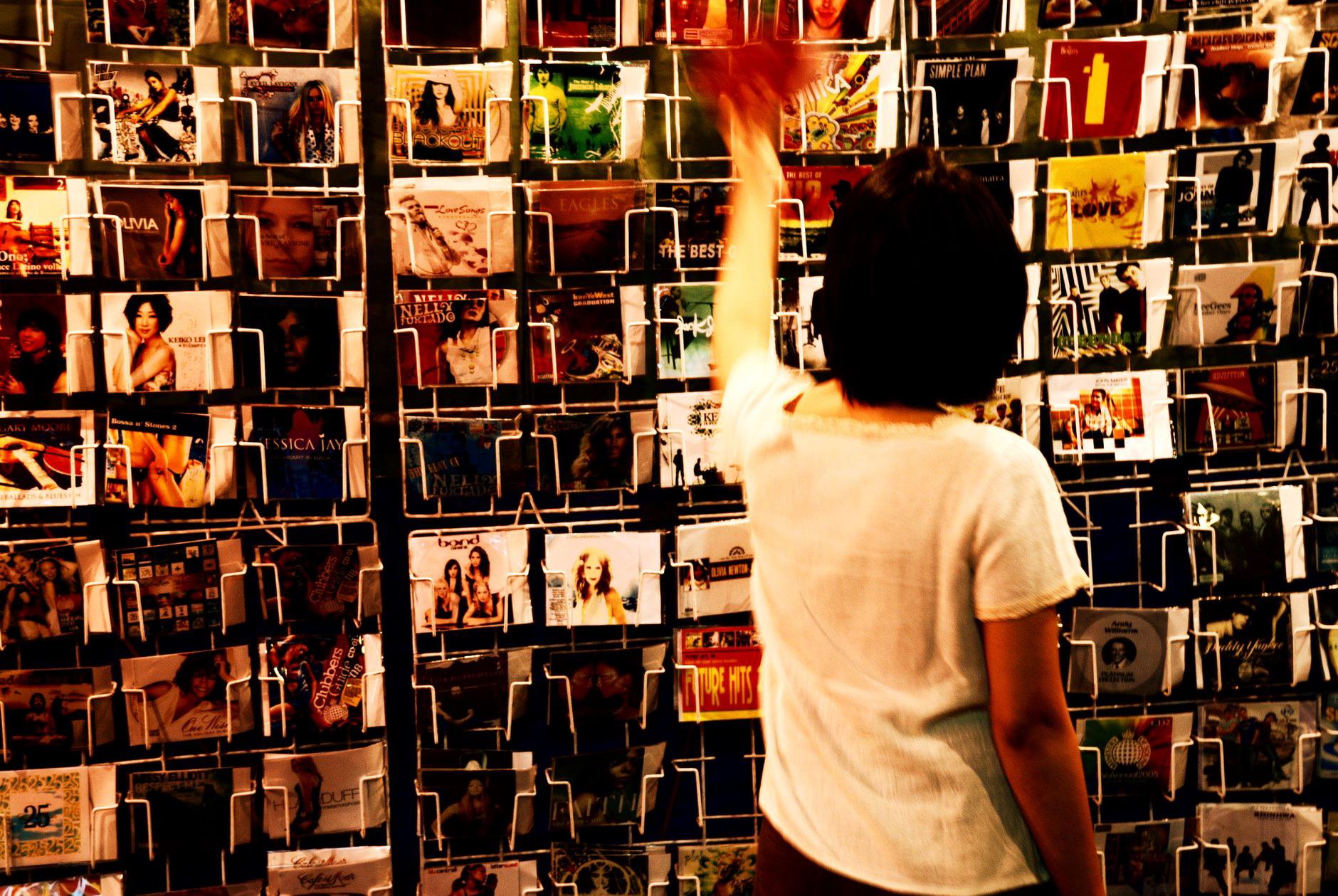
A licensed photo does not automatically clear everything inside it. A recognizable person in commercial material may need a signed model release, even when the photographer owns the copyright. Private property, branded products, and artwork in the frame can raise separate questions.
Paid productions normally collect these releases. With free stock, check whether the provider supplies them, because many do not.
6. Music is a separate license from your footage

A single song can carry two copyrights: one for the composition and one for the sound recording, and they may belong to different owners. Background music inside a free clip still needs its own license, so a “free” video is not automatically safe to score with a track found elsewhere.
Platforms also run automated checks that ignore your intentions. Tracing where a visual came from before it reaches your timeline is far cheaper than an appeal. Our walkthrough on how to find free images with search and verification covers the checking process step by step.
7. Keep a record of every license you use

Save the license page, the date you accessed it, and the source of each file. A simple spreadsheet with file name, source, license type, and exact attribution text saves hours later. If a rights holder questions your use, that record is what protects you.
8. Common mistakes to avoid
Most problems come down to three habits: assuming anything a search engine surfaces is free to use, editing a file in a way the license forbids, and reusing an old asset under terms that have since changed. The first is the most frequent. A search result is only a link, not a grant of rights. Open the original source, read its license in full, and decide after that.
9. Is a free image on social media automatically safe?
No. Social platforms host content from countless owners, and reposting an image does not transfer rights to you. Trace the file back to its original creator and read that license yourself. If the origin cannot be found, treat the image as unlicensed and choose something else.
10. Can I use a short clip from a movie in my video?
Usually not without permission. A short clip is still a copy of protected work, and length alone does not make it safe. Some uses may fall under fair use or fair dealing in certain countries, but those rules are narrow and depend on the facts, including purpose and how much is taken. If you are unsure, ask the rights holder or use footage from a source that clearly grants reuse.
What to do when a takedown notice arrives
Read the notice carefully, identify the exact asset it refers to, and pull your records for that file’s license. If the use was licensed correctly, respond with that evidence. If not, remove or replace the asset and document the change. Acting quickly usually resolves things faster than arguing the point.
Does public domain status depend on the country?
It can. Copyright terms vary by country, so a work that is public domain in one place may still be protected in another. If your audience is international, check the rules where your content will be published, and verify with a local source rather than a single rule of thumb.
Before you publish, confirm the license, record it, give the credit it requires, and check the commercial scope. For a broader view on organizing digital assets, the team at monacloud.vn has useful notes on managing files over time. Our overview of royalty free vs rights managed images explains the licensing models in more detail.