Top 5 Questions People Ask About Copyright & Licensing


Have you ever downloaded a picture labeled “free” and then wondered whether you could really put it in a paid ad? You are not alone. Bloggers, designers, and small shop owners raise this question often. A free download does not automatically mean free rights. The license attached to each file decides what you may do with it. The five questions below come up most often, and we answer each one in plain terms.
Why “free” rarely means unrestricted
A common scenario: someone takes a photo from a website, notices the word “free” on the page, and places it in a promotional banner. Later, a takedown notice arrives. The site said free, so where did it go wrong? In most cases, the license contained a condition that was never read, such as a ban on commercial use or a required credit line.
This is why the license on each individual file should be checked. Trusting the website it came from is not enough. A site can host thousands of images under different terms, and the label at the top of the page rarely tells the full story.
How we picked these five questions

These questions reflect the problems that come up most often for people using free images, and the consequences of getting them wrong. A mistake about commercial use can lead to a takedown request. A missing credit line is usually easier to fix after the fact, though it can still cause friction.
Please keep in mind that this is practical guidance, not legal advice. If you face a serious dispute, speak with a lawyer who knows the rules in your country.
Question 1: Can I use a “free” internet photo for commercial work?
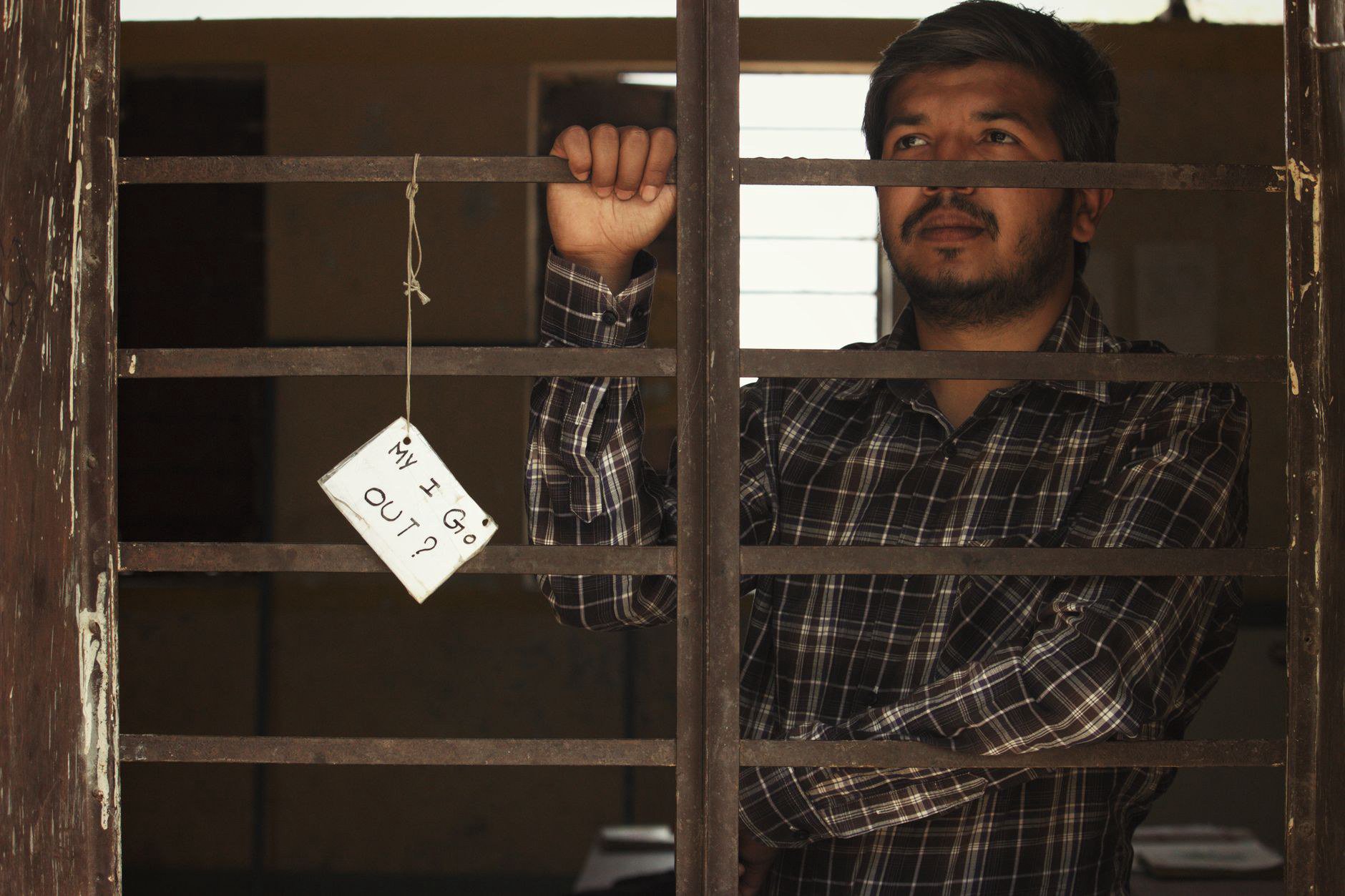
Sometimes, yes. But the word “free” on its own tells you very little. Some images sit in the public domain, some carry a Creative Commons license, and others are offered free under the site’s own terms. Each category comes with different limits.
Using a photo in a banner for a product you sell counts as commercial use, and that is exactly where people tend to get caught. Bloggers and shop owners should read the terms for every image they plan to put in an ad. Checking the license page takes far less time than resolving a complaint later.
Question 2: What do the Creative Commons letters mean?
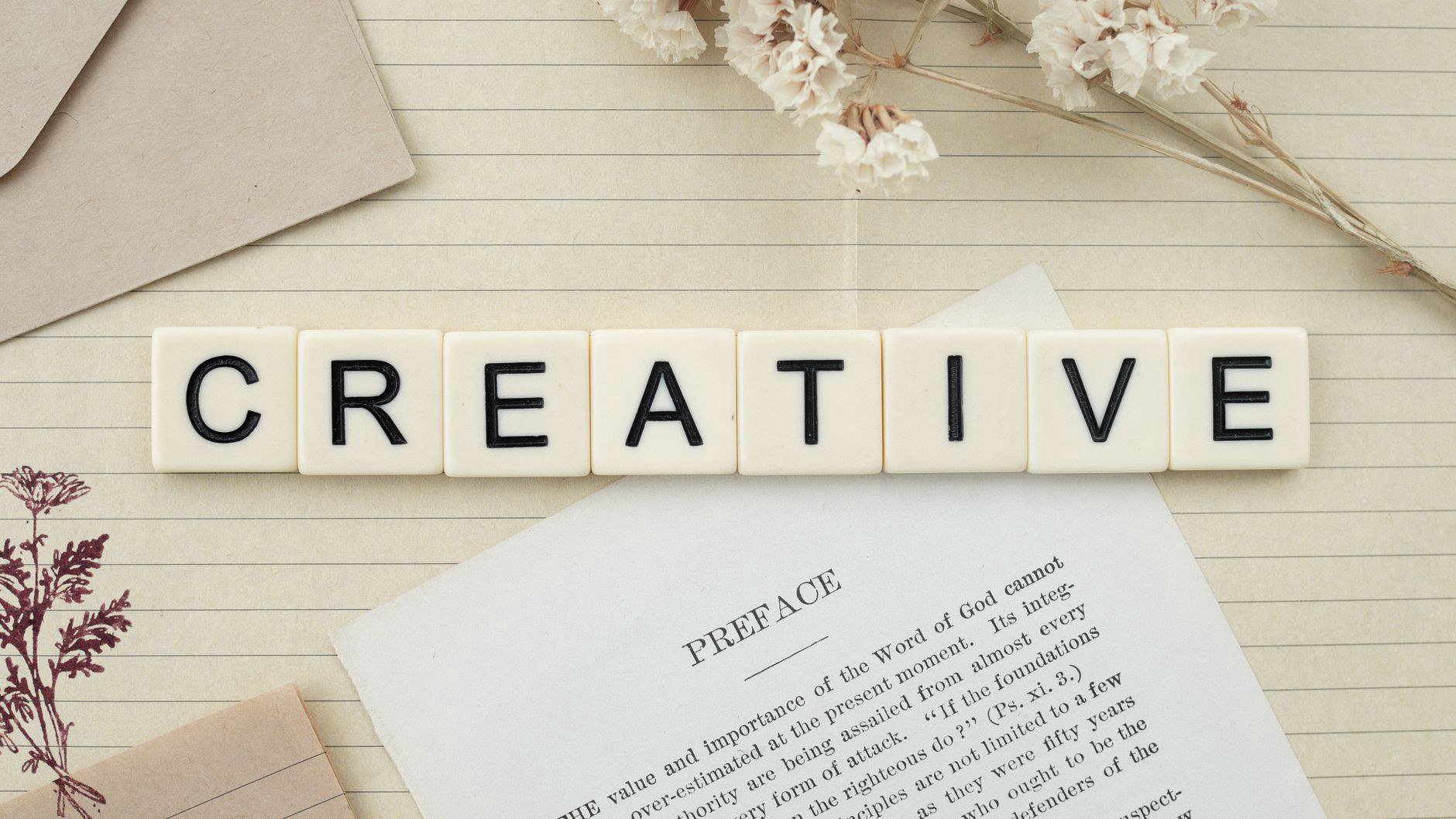
At first glance, Creative Commons labels look like a jumble of letters: BY, NC, ND, SA. The easiest way to read them is to treat each letter as a rule. BY means you must credit the author. NC means no commercial use. ND means you may not modify the image. SA means any altered version must be shared under the same license.
Consider a designer who selects a CC BY-NC image for a client’s paid campaign. The NC restriction is easy to overlook on a quick scan, and it blocks that use entirely. License versions also change over time, so confirm the details on the official Creative Commons website before you rely on them. You can find the full explanations at creativecommons.org.
Question 3: Is a public domain image always safe?
Public domain generally means the copyright has expired or the author has released their rights. That makes these images well suited to historical topics, educational materials, and many commercial projects. However, “safe” depends on where you are. Protection periods differ between countries, so a picture that is free in one place may still be protected somewhere else.
A frequent mistake is assuming an old photo is automatically public domain. A vintage image can still be protected if the rights holder is alive or the work was published fairly recently. Instead of guessing, verify the status with a reliable source before you publish.
Question 4: Do I need to credit a free image?
Often, yes. Many licenses, especially CC BY, require you to name the author and link to the license. Even when a credit is not strictly required, adding one protects you and respects the creator. Forgetting a required credit is a very common error, and it can still count as infringement even though the image itself was free to use.
A complete credit usually includes the author’s name, the image title if one is given, the source, and the license. Keeping these details in a simple spreadsheet means you never have to search old downloads later.
Question 5: Can I use an image I found through reverse image search?
Reverse image search is a useful starting point, but it does not prove that a picture is free. It shows where an image appears online, not who owns it or which license applies. The reliable approach is to trace the picture back to its original source, identify the author, and read the license there. If the origin cannot be confirmed, the image should not be used.
Search results are rarely complete, and a copy on a random website may be an unauthorized version. Treat reverse search as the first step in verification, never the last one.
A quick look at common license types
Public domain images are usually allowed for commercial use and do not require credit, though protection rules still apply in the country where you publish. CC BY images can be used commercially but must be credited. CC BY-NC images cannot be used commercially, which makes them a poor choice for ads or paid campaigns. Royalty free images are often allowed for commercial work, but credit rules and usage limits depend on the provider.
Always read the actual license text rather than relying on a summary. Summaries are convenient, yet the fine print holds the real conditions. For a deeper comparison of licensing models, our guide on royalty free vs rights managed images walks through the key differences.
Habits that keep you out of trouble
Save the source page and the license text the moment you download an image. Pages get updated, and a license read last year may read differently today. Choose sources that publish their terms clearly, and stay cautious with pictures showing recognizable logos, famous people, or branded products. A free license on the photo does not automatically clear the rights to what appears inside it, so get permission when the subject matter calls for it.
Common mistakes to avoid
The most frequent error is assuming that anything shared on social media is free to reuse. Another is crediting a vague source like “internet” without naming any license. A third is editing an image marked no-derivatives and publishing the altered version anyway.
- Treating social media posts as free stock
- Writing a credit without a license name or link
- Editing a no-derivatives image and publishing it
Each mistake looks minor on its own, yet each can create real problems. If you want a broader checklist, our article on 7 common mistakes with free images covers more ground.
Frequently asked questions
Can I use an image I got from Google Images?
Not automatically. Google Images pulls pictures from many sites, and each one carries its own rights. Apply the usage rights filter, then confirm the license on the original page.
Do I need permission if I only use an image on a personal page?
Personal use is more relaxed, but a license may still require a credit. Check the terms even for a small personal blog, since the rules apply regardless of site size.
What information do I need to credit an image?
Typically you need the author’s name, the title if available, a link to the source, and the license name with a link to its text. Save these details at the moment you download the file.
How can I tell if an image is out of copyright?
Check the author’s date of death and the protection period in the relevant country, or use a trustworthy public domain source that explains its basis. When the information is unclear, treat the image as protected.
What happens if I use an image illegally?
You may receive a takedown notice, a request for payment, or, in serious cases, a legal claim. The best defense is verifying the license before you publish rather than reacting after a complaint arrives.
If you take only one thing from this article, let it be this: check the license on every image, every time. That single habit prevents most of the problems people run into. When you are unsure, choose a source with clear terms, or ask a professional before you publish. You can also visit our about page to learn more about how we vet every source we list.