Top 7 Questions People Ask About Free Stock Photos

Here is something most people learn the hard way: a photo being free to download does not mean you can use it however you like. The license attached to each individual image decides what you are allowed to do with it. Over the years our team has watched plenty of bloggers and small shop owners get tripped up by exactly this, so we gathered the seven questions we hear most often and walked through each one the way we would explain it to a friend over coffee.
Can you use top 7 questions people ask about free stock photos commercially?
Sometimes yes, sometimes no. When a site labels an image “free,” it usually means free to download, not free for any purpose. Every picture carries its own license, and that license tells you whether it can appear on a product page, inside a paid ad, or on a course slide.
The licenses you will meet most often are CC0 and Public Domain, which are the most permissive. CC BY asks for credit in return. CC BY-NC rules out commercial use altogether. In our experience CC BY-NC causes the most trouble for freelancers and small shops preparing client work. The photo looks perfect, the deadline is close, and then it quietly becomes a problem nobody planned for.
Which license types should you check first?
Start with the license line on the image’s detail page, not the download button. Download buttons are designed to get you to click, and they rarely tell you anything useful.
A CC0 image asks nothing of you. A CC BY image wants the author’s name, the title, the source and the license noted. CC BY-NC means you stay away from anything tied to earning money. Write down which license you saw and the date you saw it. You will thank yourself months later when a client asks where a visual came from.
Do you have to credit the photographer?
It depends entirely on the license. CC0 and Public Domain images do not require attribution, though a credit is still a kind gesture that costs nothing. CC BY images do require it. A clean credit line usually includes the author’s name, the image title, where you found it, and the license name with a link back to that license.
Requirements also differ from one platform to another, so confirm the rules on the original page before you publish. We once saw a credit line copied from a different site that named the wrong license, which made the whole attribution technically incorrect.
How do you check that a photo is genuinely free?
Open the image’s own page and read the license section slowly. Do not trust a thumbnail, a search snippet or a repost on a random blog. A reverse image search helps you trace where a picture first appeared, and that matters because the person who uploaded it is not always the copyright holder.
We also save a dated screenshot of the license page. Pages change, and if anyone ever questions an image, that screenshot shows what the page said at that moment. It takes a minute and has saved us more than once.
Are celebrities, logos and landmarks safe to use?
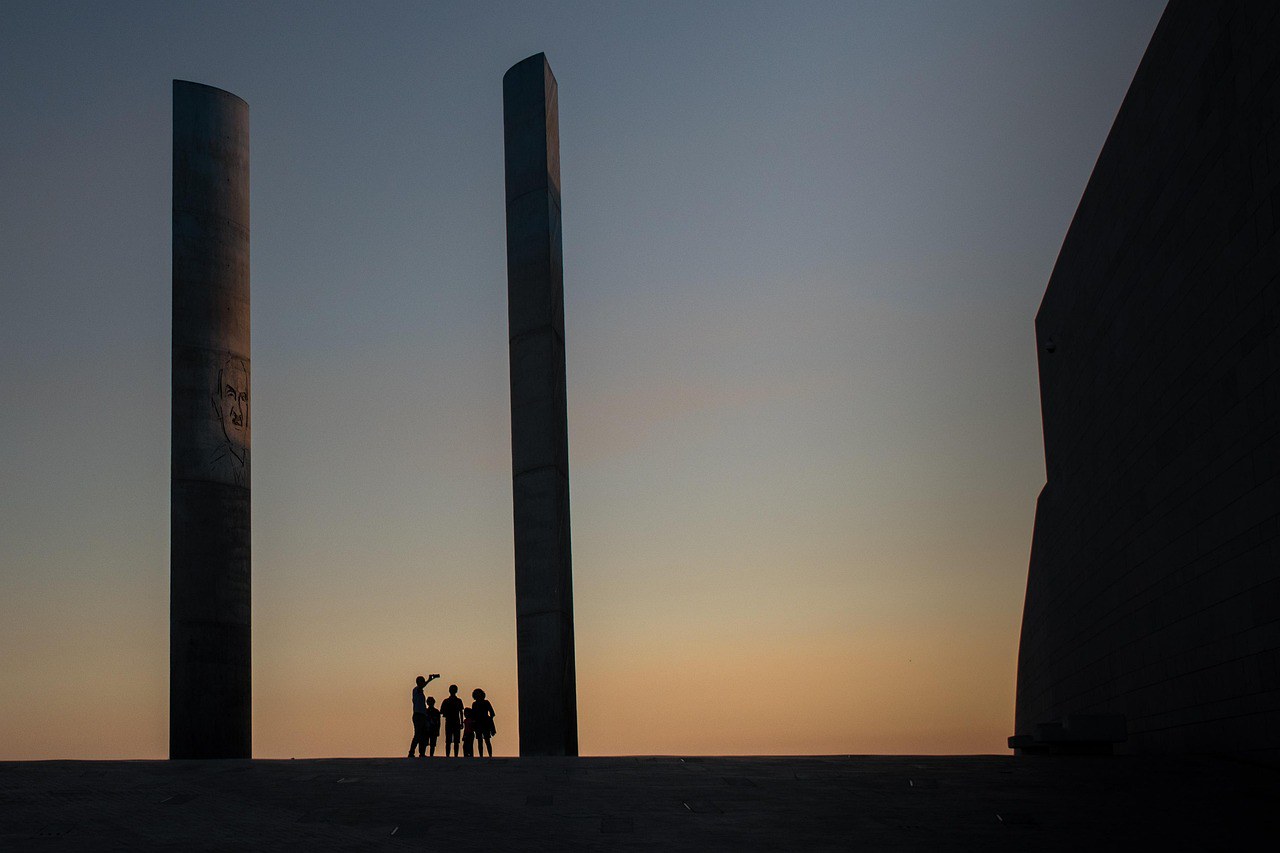
Not automatically. A photo can be free to download while still carrying personal rights for a recognizable person, or trademark rights for a logo on a product. Photos of public places are generally a safer bet than images showing branded items or identifiable faces used in advertising.
This is general guidance rather than legal advice, so check current local law before a large campaign goes live. When in doubt, pick a different image.
Which free image sources should you compare?

Different libraries follow different rules, so it helps to look at a few side by side. Wikimedia Commons mixes several license types, from CC BY to public domain, and gives detailed license information on each file. That is handy, but it takes patience.
Pexels uses its own permissive license with a clear summary on each page. Pixabay has its own terms and is quick to browse, though we still recommend reading them yourself. If you want a wider map, our guide to 15 free stock photo sites worth checking in 2026 walks through more options. Terms change over time, so treat any overview as a starting point and recheck before relying on a source for a paid project. For a deeper look at how the big libraries compare, see Unsplash vs Pexels vs Pixabay: which free library fits your project?
What risks come with free photos on blogs and social media?

The usual risks are an image getting removed, an author asking you to take it down, or a copyright complaint landing in your inbox. None of these are dramatic, but they are common enough to plan around. Our simplest habit is a spreadsheet with the source, license, author and access date for every image we use. That small habit saves a lot of scrambling later.
If you publish across several markets, check how complaints are handled locally rather than relying on general rules of thumb.
Should you shoot your own photos or pay for images instead?
Free photos work well for background visuals, general illustrations and tight budgets. They are a sensible choice when the image only needs to support the text. Paid or original photography makes more sense when a brand needs exclusivity, or when the campaign is big enough that a licensing mistake would cost far more than the license itself.
Once you know what you need, our primer on royalty free vs rights managed images can help you choose the route that fits your project and budget.
Frequently asked questions
Can a “free” image from Google be used commercially?
Not reliably. Google Images pulls pictures from everywhere, and the license usually lives on the source site rather than in the search result. Click through, read the original page, and only then decide whether commercial use is allowed.
Does a CC0 image still need a credit?
No, CC0 waives that requirement. Crediting the creator anyway is still a good habit that builds goodwill with the people whose work you rely on.
How can you tell whether a stock source is trustworthy?
Look for a clear license statement on every image, a visible uploader policy and a way to report problems. If a site hides its terms or makes them hard to find, we would steer clear.
Can you edit a free photo and sell the result?
It depends on the original license. Some allow edits and commercial use, while CC BY-NC does not allow commercial use of any derivative work. Read the license before you sell anything built from the image.
Do free stock photos ever expire?
The license itself usually does not expire, but the source page can change its terms or remove the image entirely. That is why a dated screenshot of the license is worth the minute it takes to save.