Public Domain Images: How to Find and Verify Them

Public domain images are works that are not protected by copyright in the relevant jurisdiction, or works whose rights holder has made an effective public-domain dedication where the law permits it. They can often be copied and adapted without copyright permission.
That definition sounds simple, but verification can be difficult. Copyright duration varies by country, source records can be incomplete, and a photograph may contain trademarks, artworks, property, or recognizable people governed by other rights.
Why Public Domain Images Are Free of Copyright
A work may enter the public domain because its copyright term expired. It may never have qualified for copyright, or a rights holder may have dedicated it to the public through a tool such as CC0. Government works can have special rules that depend on the country and agency.
Do not assume that age alone settles the question. Publication history, authorship, restoration, and jurisdiction can affect the analysis. A museum’s digital scan, catalogue text, and website design may also involve separate rights or contract terms.
Our public-domain resource archive provides more examples of the records and labels commonly encountered.
Public Domain Is Not the Same as Free Download
An image can be free to download while remaining copyrighted under a permissive licence. Conversely, a public-domain work may be offered through a website that applies access conditions to high-resolution files.
The distinction matters because licences can require attribution, restrict certain redistribution, or impose other terms. Public-domain status means copyright itself does not require permission, although ethical credit and accurate sourcing remain valuable.
Our guide to Creative Commons licences explains how licensed reuse differs from the public domain.
Start with the Original Institution
Prefer a museum, library, archive, government collection, or established repository that provides item-level metadata. A clear record should identify the creator, title, date, source, rights statement, and collection number.
Aggregators are useful for discovery, but follow the image back to the holding institution. The source record may contain a higher-resolution file, corrected date, or more precise rights information.
Save the item page as well as the image. A loose JPEG cannot explain where it came from or why it was considered reusable.
Read the Rights Statement on the Item
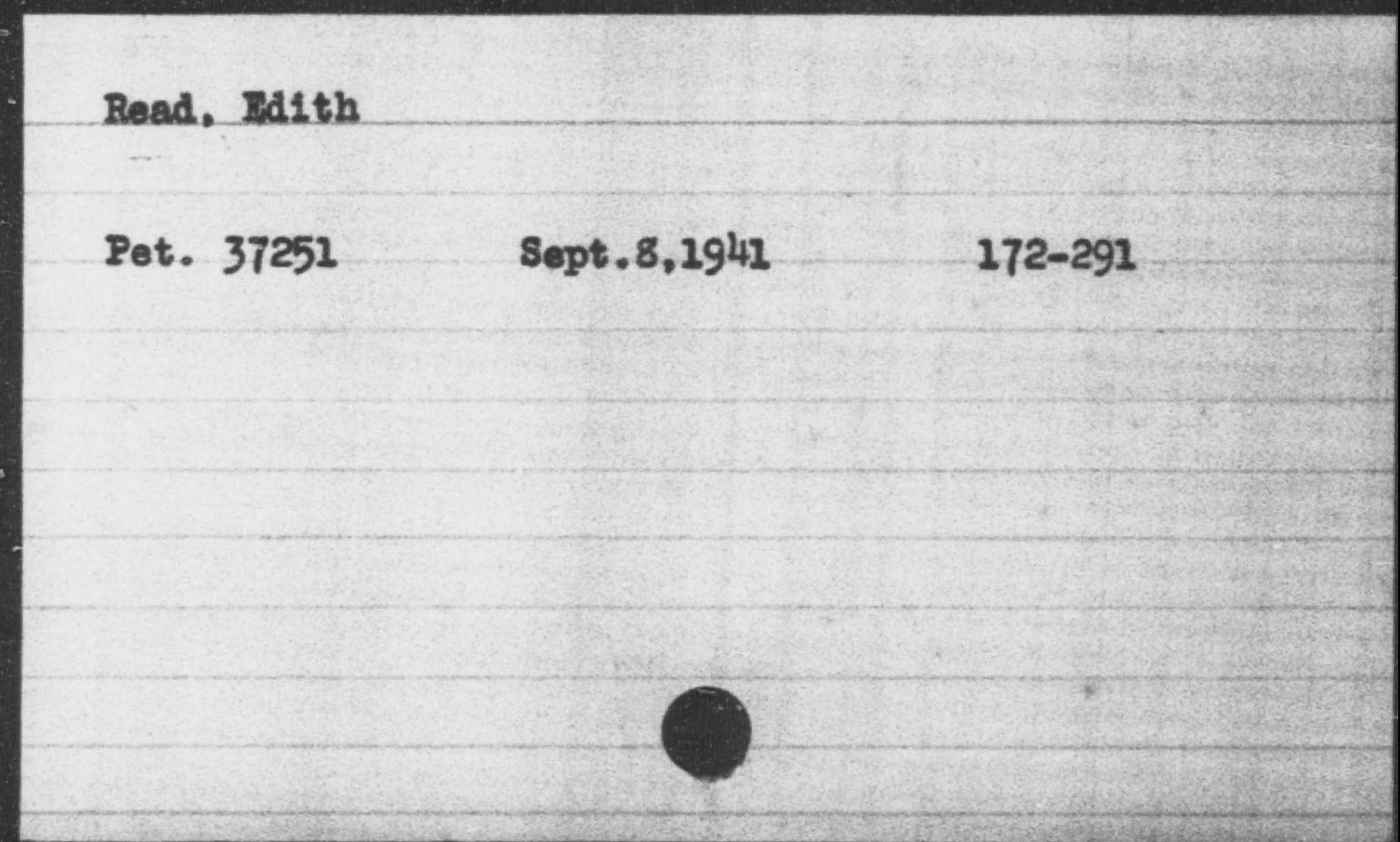
Collection-wide policies are not enough when individual items carry different statuses. Look for labels such as public domain, no known copyright restrictions, CC0, or a specific Creative Commons licence.
These phrases are not interchangeable. “No known restrictions” often describes the institution’s available knowledge rather than an absolute legal guarantee. Read the accompanying explanation and note any geographic limitation.
If a record is ambiguous, do not fill the gap with optimism. Contact the institution, conduct further research, or select an item with clearer provenance.
Check the Creator and Date
Copyright term often depends on the creator’s death date, publication date, or both. Anonymous and corporate works may follow different rules. Record as much information as the source provides.
Watch for later contributions. A nineteenth-century photograph can be public domain while a modern colorization, annotated version, or creative restoration has its own copyright claim.
Crop marks, borders, and captions can help trace an item to a printed source. They may look untidy in a layout but are valuable during research.
Country Matters
A work can be public domain in one country and protected in another. Online availability does not resolve which law applies to a publication, campaign, or product distributed across markets.
International projects should document the intended territories and seek qualified advice when value or risk is significant. A simplified age rule copied from a foreign source may not apply.
Educational photography resources such as Photographer Education can support visual research, but legal status should be confirmed through authoritative item records and appropriate professional guidance.
Other Rights Can Survive Copyright
Public domain status addresses copyright in the image. It does not automatically clear trademarks, privacy, publicity rights, cultural restrictions, or the appearance of a separately protected artwork.
A historic portrait may be straightforward from a copyright perspective, while a modern advertising use creates an endorsement concern. A photograph of a sculpture may involve rights in the sculpture even if the photograph itself is free to reuse.
Our overview of commercial-use image checks outlines these additional layers.
Publicity and Privacy Need Context
Images of identifiable people require care, especially in advertising or sensitive editorial subjects. The person may never have agreed to endorse a product or be associated with health, politics, crime, or financial hardship.
Historical documentary photographs should also be captioned accurately and handled respectfully. Legal permission is only one part of responsible publication.
Review the site’s publicity-rights resources when people are central to the proposed use.
Beware of Copies with Missing Provenance
Wallpaper sites, social posts, and reposted image collections often strip metadata and credits. A “public domain” label copied across several sites may trace back to no reliable source.
Use reverse image search to locate earlier appearances, higher-resolution versions, and institutional records. Search by visible caption, title, photographer, or collection number when image matching alone fails.
Do not treat the oldest result in a search engine as proof. The goal is an authoritative record, not merely an earlier repost.
Credit Is Still Good Practice
Public-domain material may not require copyright attribution, but a source credit helps readers and future editors. Include creator, title, date, institution, and identifier when available.
A good credit distinguishes the original work from the repository. “Courtesy of the archive” may be incomplete if the creator is known. Follow the institution’s preferred credit line when it is reasonable and accurate.
Keep a fuller internal record even when the visible caption must be short.
Create a Rights Log
For each asset, record the source URL, creator, title, date, holding institution, rights statement, access date, intended use, and any unresolved issue. Save a screenshot or PDF of the relevant record.
This log makes later editions and audits manageable. It also prevents a team from repeating research when the same image appears in print, web, and exhibition material.
Flag uncertainty rather than hiding it. A rights log is useful because it shows what was checked and what still needs an answer.
A Practical Verification Checklist
- Locate the item at an authoritative institution or original source.
- Read the item-level rights statement and its explanatory notes.
- Identify the creator, relevant dates, jurisdiction, and any modern adaptation.
- Check people, property, trademarks, artworks, and cultural restrictions.
- Save the evidence, source file, credit, and date of access.
Finding trustworthy public domain images requires more than selecting a search filter. Trace the source, interpret the rights statement carefully, account for other rights, and document the decision. When the record remains unclear, choose a better-documented image or obtain professional advice.