NASA Government Free Public Domain Images Guide

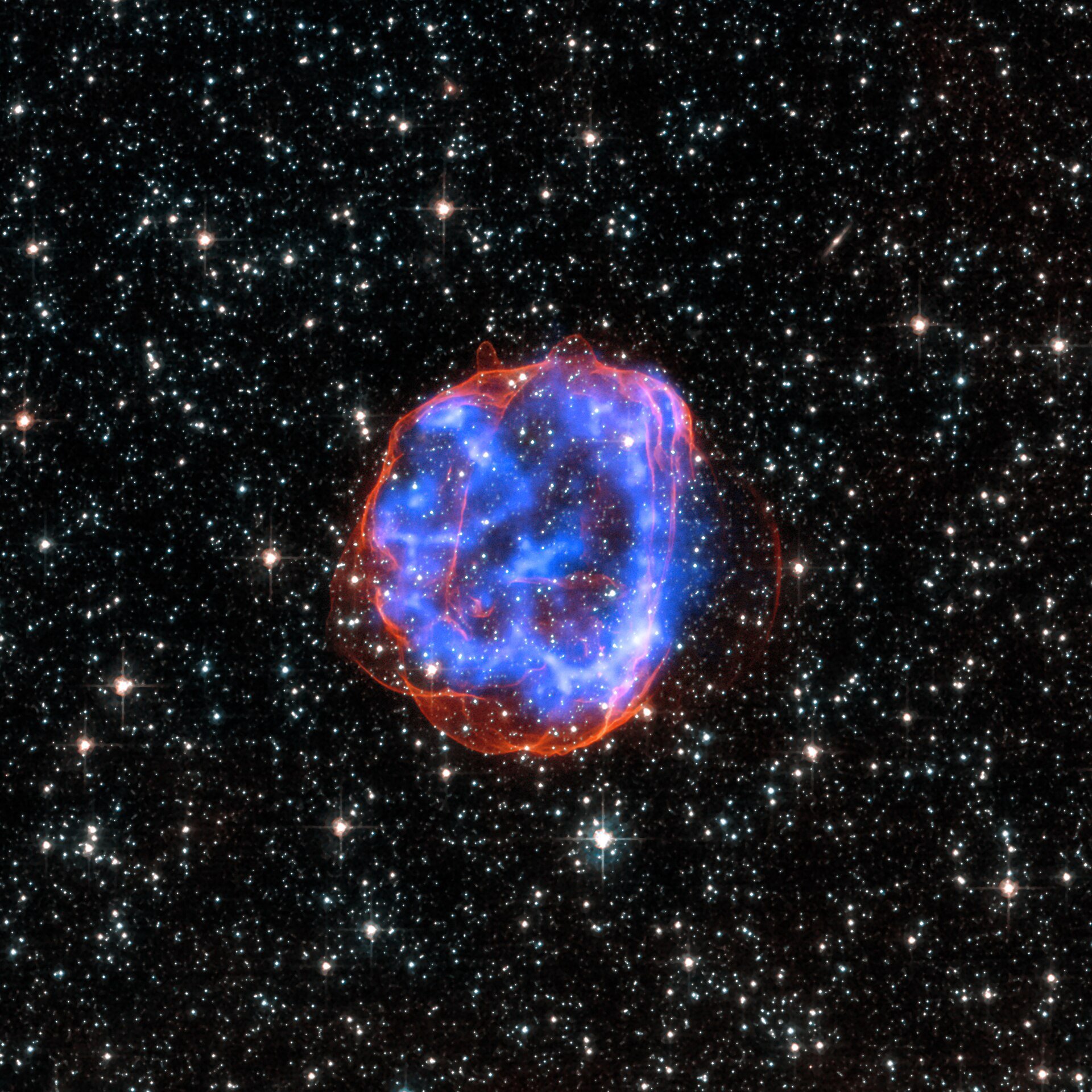
Exploring NASA government free public domain images gives designers, educators, and science enthusiasts access to breathtaking astronomical captures without licensing costs. Because NASA is an agency of the United States federal government, most of its still imagery, audio recordings, and video files belong directly to the public domain. However, commercial utilization still requires adherence to specific trademark and publicity guidelines.
Why NASA Public Domain Assets Are Invaluable
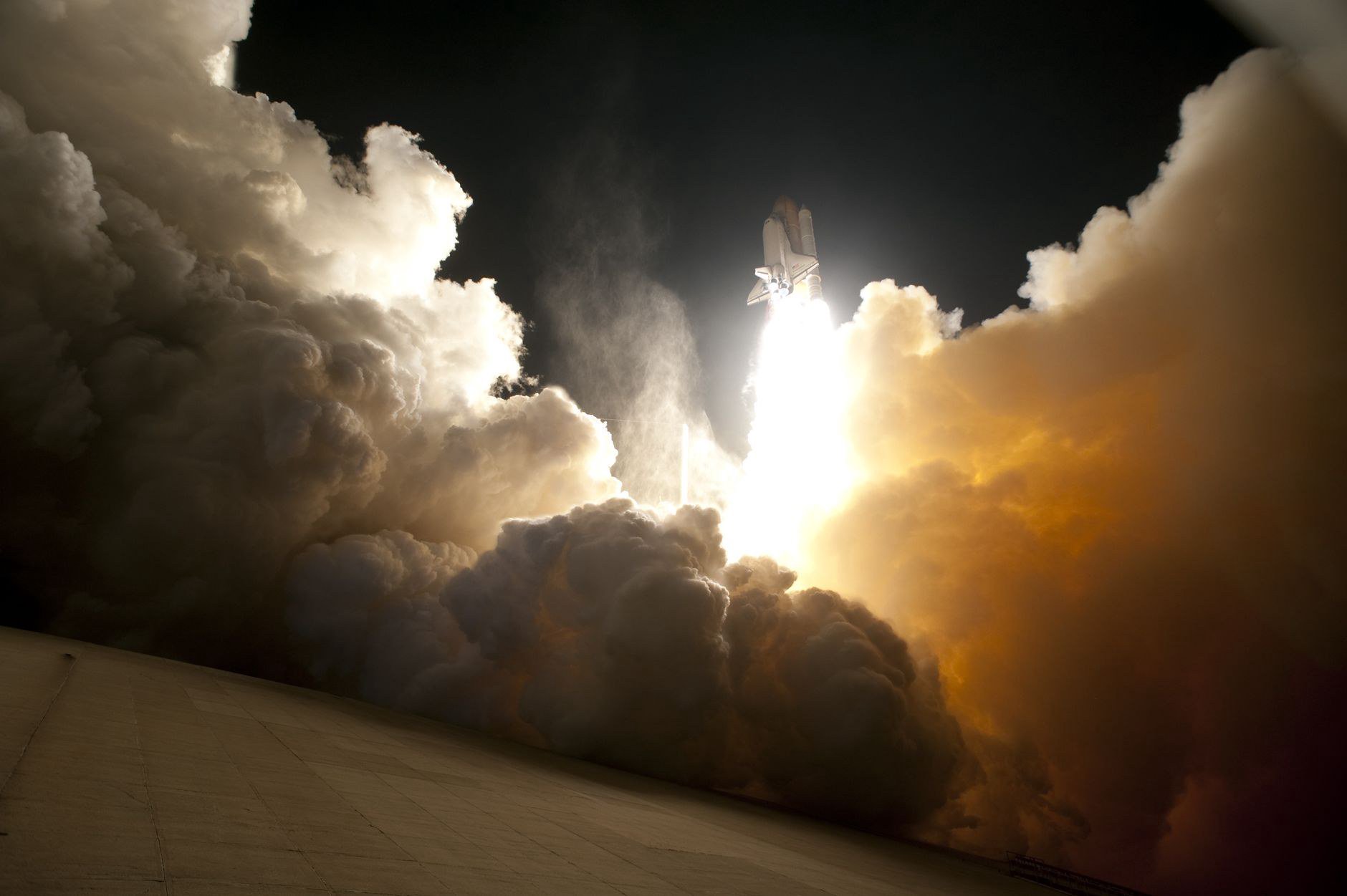
Unlike private stock agencies that charge substantial recurring fees for celestial photography, NASA makes deep space exploration visual data accessible to everyone worldwide. Whether you need planetary textures for educational 3D modeling or high-definition nebula backgrounds for web banners, the official archives provide unparalleled scientific fidelity.
Professional creative development studios such as webeone.org frequently incorporate public domain cosmic imagery into educational user experiences and modern digital interfaces.
Because these visual assets are produced with public taxpayer funds, copyright restrictions do not restrict non-commercial sharing, classroom study, or news reporting. You can download uncompressed TIFF and RAW files directly from mission data repositories.
Scientists and amateur astronomers alike benefit from open data access. Raw satellite feeds and deep-space observatory captures allow creators to render composite panoramas that showcase genuine celestial phenomena.
Furthermore, school teachers and university professors rely on these authentic mission files to inspire students in STEM courses. Accessing unadulterated visual archives bridges the gap between complex orbital physics and everyday public understanding.
Key Copyright and Publicity Limitations to Understand
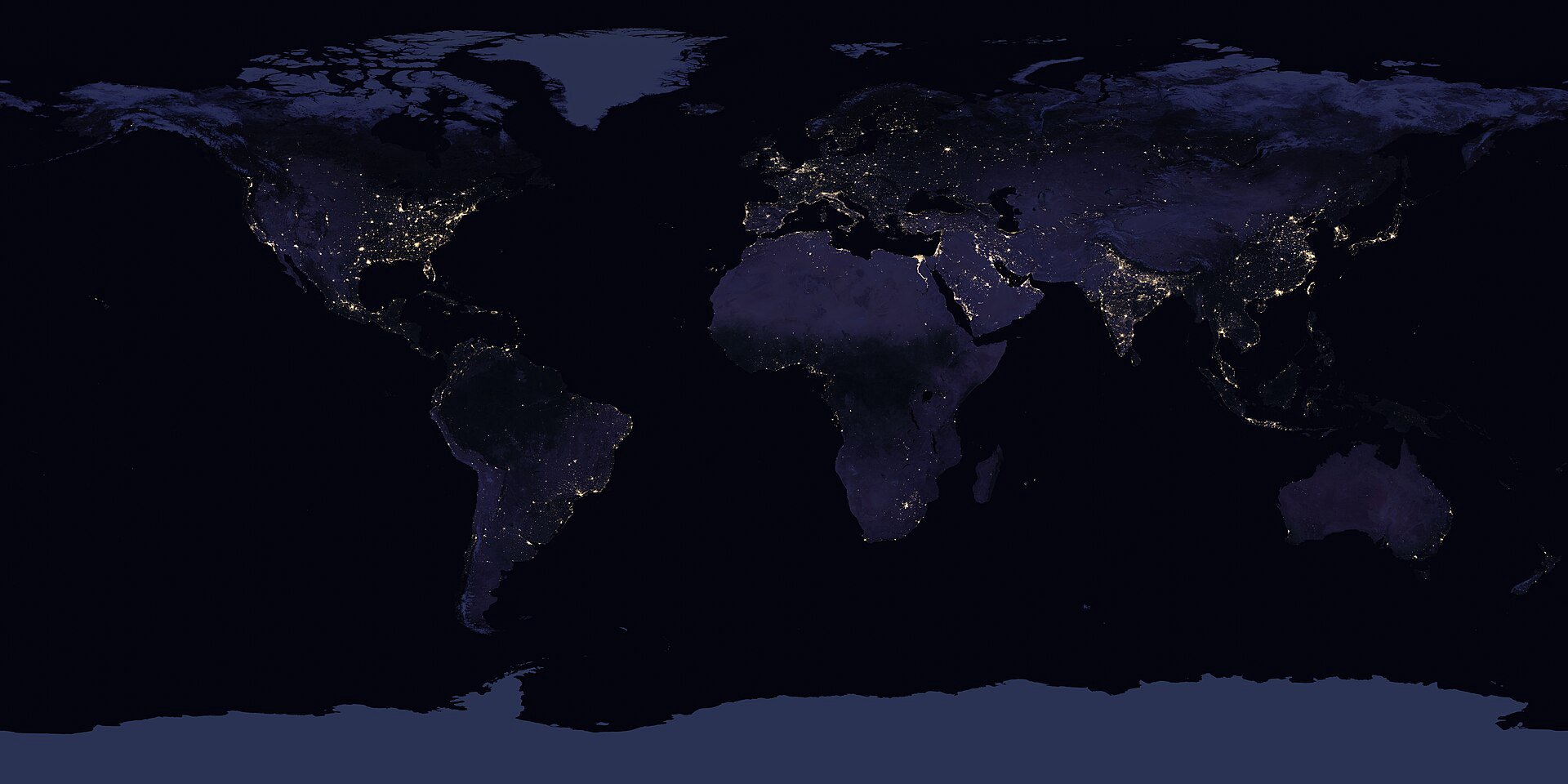
While the photos themselves are exempt from standard copyright protection, important legal nuances exist. Commercial ventures cannot use the official NASA insignia, meatball logo, or agency seal on consumer merchandise without formal written authorization.
Furthermore, rights of publicity protect individual astronauts depicted in mission photography. You cannot display an astronaut’s face in advertisements implying their personal endorsement of a commercial product. Before incorporating space photography into commercial campaigns, studying the core principles in our commercial use free images rules will help protect your business against unauthorized endorsement claims.
Gaining clarity regarding what qualifies under the public domain legal classification enables marketing teams to deploy government media responsibly.
Remember that commercial merchandise sales, such as t-shirts or coffee mugs bearing astronaut portraits, directly trigger state publicity statutes. In contrast, educational textbooks and biographical articles remain completely protected under fair editorial reporting standards.
Always verify whether private contractors hold ancillary patents on specialized proprietary hardware visible in the background of orbital facility photos.
How to Search and Download from Official NASA Repositories
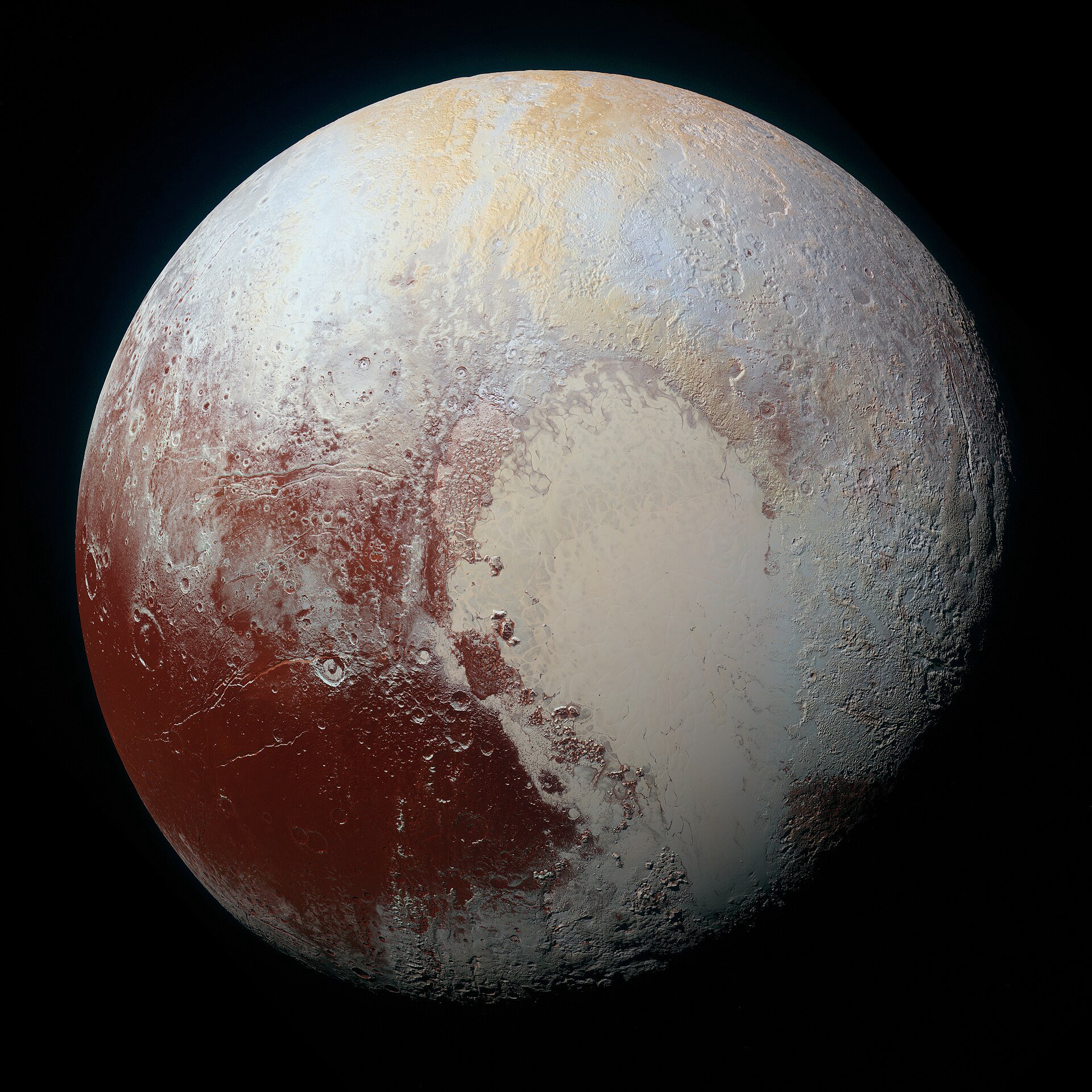
NASA maintains several massive public media portals that index decades of space missions. Navigating these platforms efficiently saves significant production time:
- Visit the official NASA Image and Video Library at images.nasa.gov.
- Enter specific mission names or celestial targets such as “James Webb Space Telescope” or “Mars Perseverance”.
- Filter your results by media type, choosing between high-resolution photography, scientific video, or audio logs.
- Click on any image asset to view comprehensive technical metadata, including camera specs and mission timelines.
- Download the maximum resolution file, often available in excess of 4000 pixels wide.
For additional visual assets beyond government archives, comparing platforms like Unsplash vs Pexels vs Pixabay provides instant alternatives for complementary commercial graphics.
You can also explore specialized repositories like the Astronomy Picture of the Day (APOD) archive or the Planetary Data System. These research portals offer access to calibrated multispectral imagery suited for scientific publications and advanced educational exhibits.
Best Practices for Crediting and File Optimization

Although public domain imagery does not legally require copyright attribution, giving explicit credit remains best practice across academic and editorial fields. A simple credit line like “Image courtesy of NASA/JPL-Caltech” honors scientific research teams and enhances your publication’s journalistic credibility.
When preparing cosmic imagery for live web publishing, remember that raw astronomical downloads can exceed 50 megabytes. Converting these large visual assets into WebP format and scaling dimensions to match web containers significantly improves page loading times and overall performance metrics.
Always preserve color accuracy when compressing starry backgrounds. Deep space visuals rely heavily on smooth dark gradients, which can produce noticeable banding if compression ratios are set too aggressively.
Verifying Co-Sponsored Mission Assets
Be aware that certain deep-space missions represent collaborative international partnerships between NASA, the European Space Agency (ESA), and the Canadian Space Agency (CSA). In these joint missions, some visual assets may carry Creative Commons Attribution licenses rather than direct United States public domain status.
Always examine the file metadata credits listed on the official mission announcement page. Taking a moment to confirm co-sponsor copyright notices ensures that your team attributes all international scientific partners accurately.
Educational vs Commercial Merchandise Applications
Content publishers frequently ask where the line falls between permissible editorial commentary and prohibited merchandise exploitation. Publishing a history book examining lunar exploration is fully permitted under statutory fair use doctrine.
However, selling manufactured physical goods adorned with NASA mission patches without formal agency licensing violates federal trademark laws. Keeping these regulatory distinctions in mind keeps your brand safe while celebrating historic milestones in aerospace discovery.
Summary of Using Government Space Imagery
NASA government free public domain images provide creators with an unparalleled library of real cosmic beauty. By respecting agency trademark limitations, avoiding misleading celebrity endorsements, and optimizing image payloads for digital devices, you can enrich your designs with breathtaking scientific visuals.
Make sure to incorporate these verification steps into your media production guidelines to achieve stunning visual layouts while upholding thorough legal compliance.