Model and Property Releases: When a Free Photo Still Is Not Safe

A health startup builds a landing page. The hero is a warm, well-lit portrait of a woman in her thirties — downloaded free, licence checked, attribution not even required. Above her head: “Join 10,000 patients managing anxiety with us.”
The licence on that photo is fine. The page is still a problem. The woman never agreed to be presented as a patient of anything, and the photographer had no power to agree for her.
That gap — between the rights the photographer holds and the rights other people hold in the same picture — is what releases close. (General information here, not legal advice.)
Two different sets of rights in one frame
When someone presses the shutter, copyright in the resulting image belongs to them. That’s what they license to you, and that’s all they can license.
The person in front of the lens holds something else: rights in their own likeness, variously called publicity, personality, or image rights depending on where you are. In the US these are largely a matter of state law and vary considerably; in much of Europe they sit closer to data protection and personality law. There is no single global rule, which is precisely why the safe habits are conservative ones.
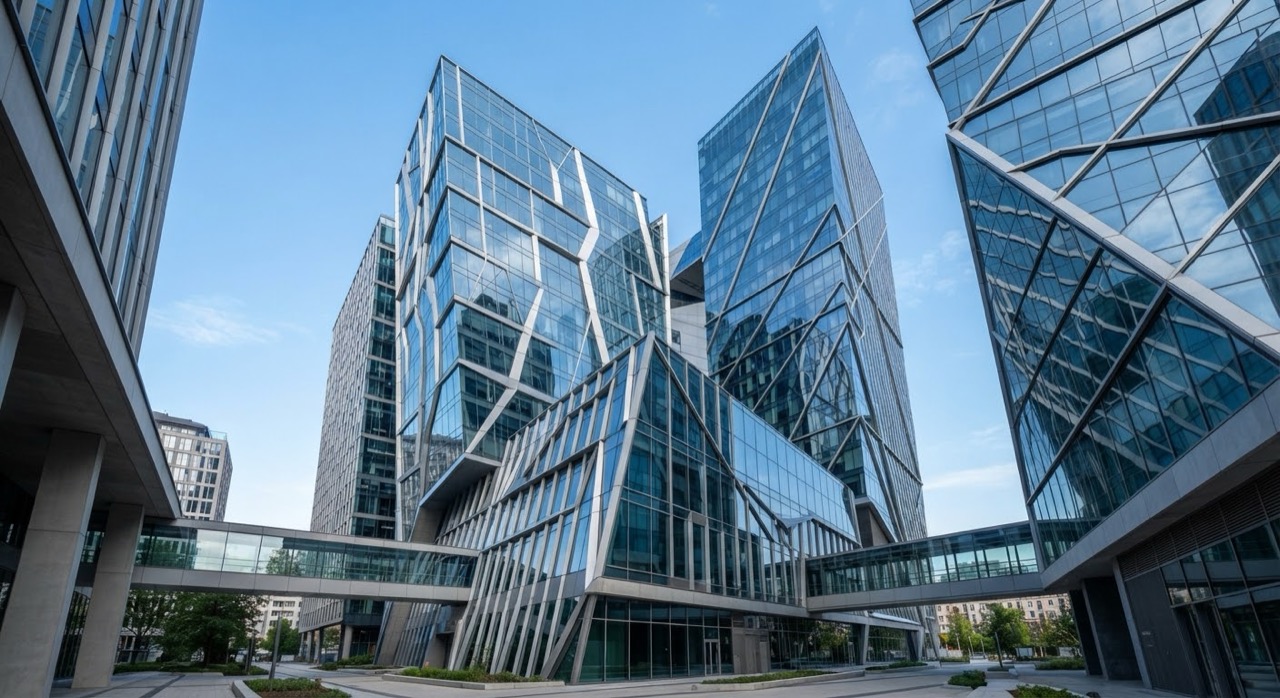
Property casts a similar shadow. A recognizable private home, a distinctively designed building, art on a gallery wall, a tattoo — any of these can attach a claim the photographer’s licence does not touch.
What a release actually is
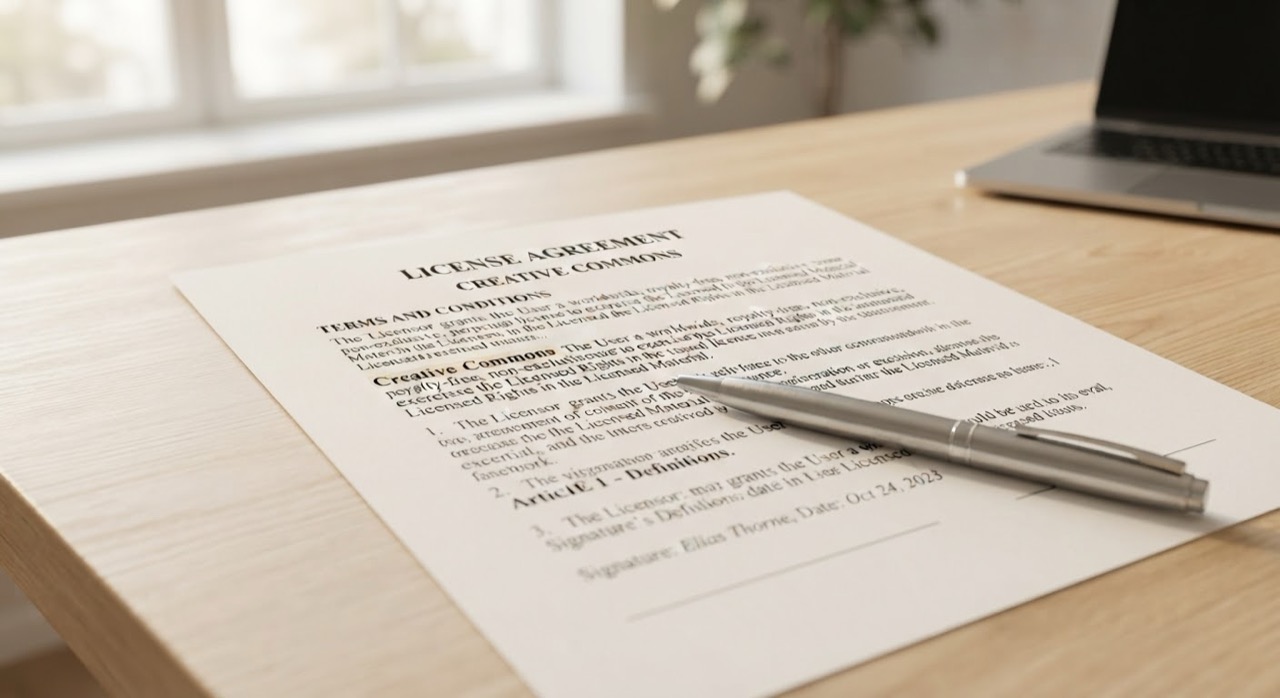
A model release is a signed agreement in which the depicted person permits their likeness to be used, typically defining scope: what media, what territory, what duration, and whether sensitive or endorsement-flavored uses are allowed. A property release does the same for a place or object, signed by whoever controls it.
Three things worth internalizing:
- Releases are scoped. “Released” is not a binary. A release permitting general advertising may still exclude uses implying medical conditions, sexual content, or political endorsement.
- The release lives with the licensor, not with you. Paid agencies hold releases and flag on each asset whether one exists. You almost never see the document; you rely on the platform’s assertion.
- A crowd is not automatically safe. Recognizability is the trigger, not headcount. A clearly identifiable face does not become anonymous because forty other people were standing around.
Where free photo platforms leave you exposed
This is the sharp edge. The big free-photo sites run their own custom licences now — Unsplash and Pexels each stopped using CC0 years ago and wrote bespoke terms. Those terms are generous about copyright: use commercially, no attribution needed, modify freely.
What they generally do not do is promise a model release. The licence grants what the platform and the contributor can grant, which is copyright permission. Several also carry a clause forbidding depictions of identifiable people in an offensive or defamatory light — a line that exists precisely because the platform knows the likeness question is unresolved.
Read that as: the photo is free, and the risk is yours. Contributor uploads are far less likely to be paperwork-backed than an agency-commissioned shoot. If you need a released image, the honest answer is usually a paid library that says so on the asset page, or a shoot of your own. Our free image sources coverage is candid about which platforms are which.
The uses that carry real risk
Not every use of an unreleased face is equally exposed. Risk climbs sharply when the image is doing one of these jobs:
- Implying endorsement. A face next to a product, a testimonial, a “customers like Sarah” block.
- Implying a sensitive attribute. Illness, addiction, debt, criminality, religion, sexuality. The photo says nothing; your headline says everything.
- Trading on the likeness itself. Merchandise, packaging, anything where the person’s face is part of what’s being sold.
- Fabricating a person. A stranger’s face as a fake staff bio or fake reviewer.
The mechanism is simple: someone recognizes themselves, sees a claim they never agreed to, and has a grievance the photographer’s licence cannot answer.
Practical habits that lower the risk
When the use is commercial and the copy makes claims, prefer images where nobody is identifiable. Hands, silhouettes, backs, distance shots, and abstract detail carry almost none of this baggage and often look better than a stock smile anyway.
Keep a record: the licence text as it read the day you downloaded, plus URL and date. Platform terms change, and “it said this then” is a far better position than “it says something else now.”
And separate the two questions permanently. May I copy this image? is the licence question. May I say this thing with this person’s face? is a different question entirely, and no download button has ever answered it.