Home Theater Furniture: Why Hardware Makes or Breaks It

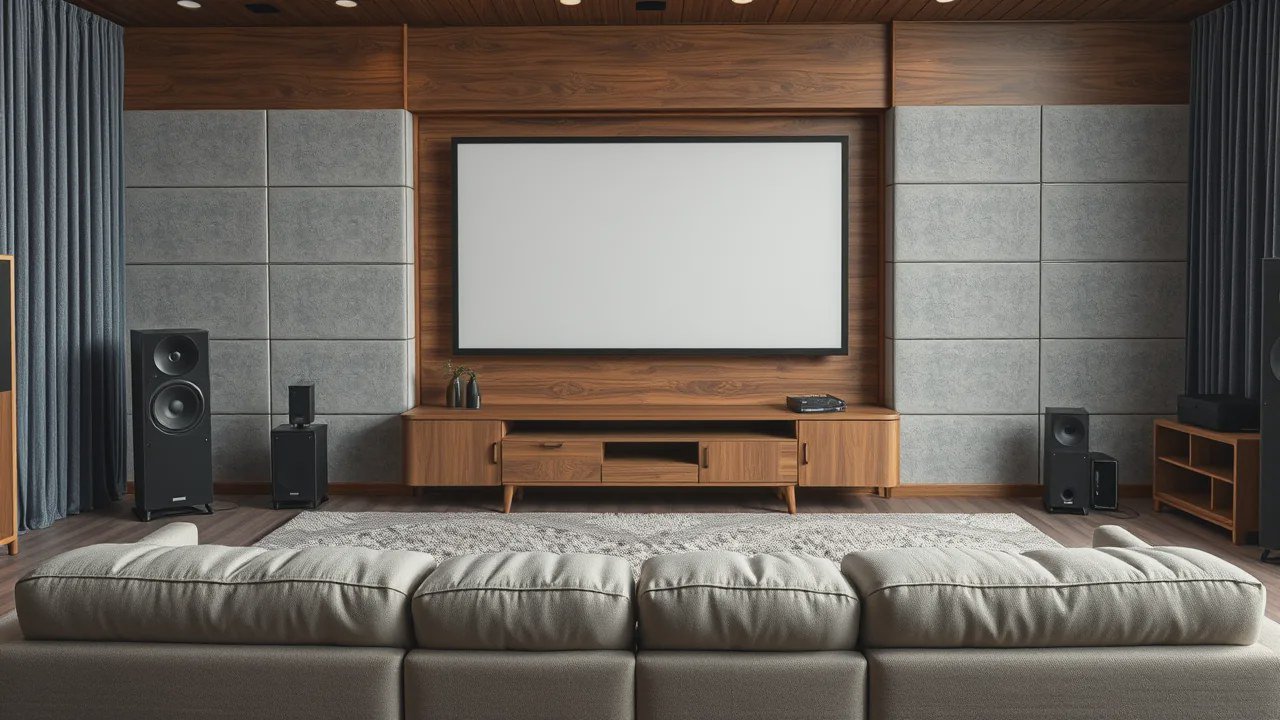
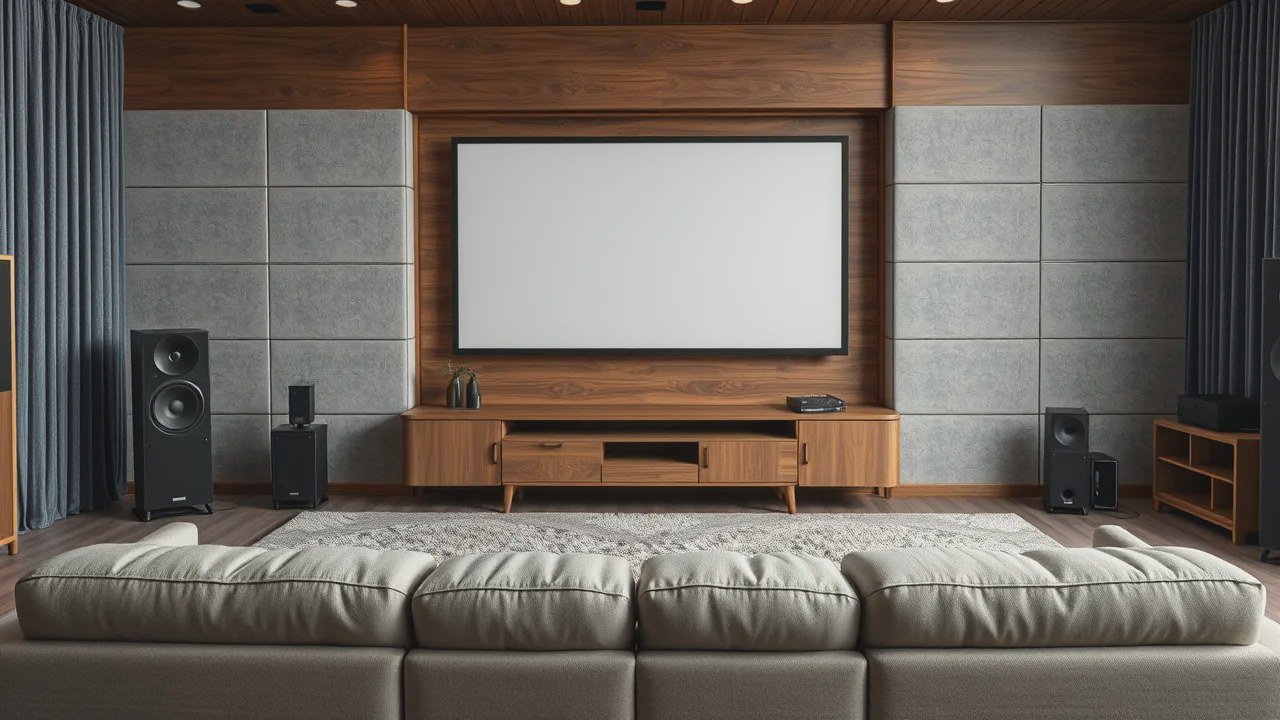
Planning an entertainment room usually begins with selecting OLED screens and surround sound speakers. Most homeowners spend weeks researching amplifier wattage and projector throw ratios. Yet the physical cabinetry housing these expensive components receives surprisingly little thought. Cheap drawer runners and weak shelf brackets quickly ruin the entire media experience. Premium hardware components are essential for building durable media centers that last for decades.
The Hidden Mechanical Stresses Inside Media Consoles
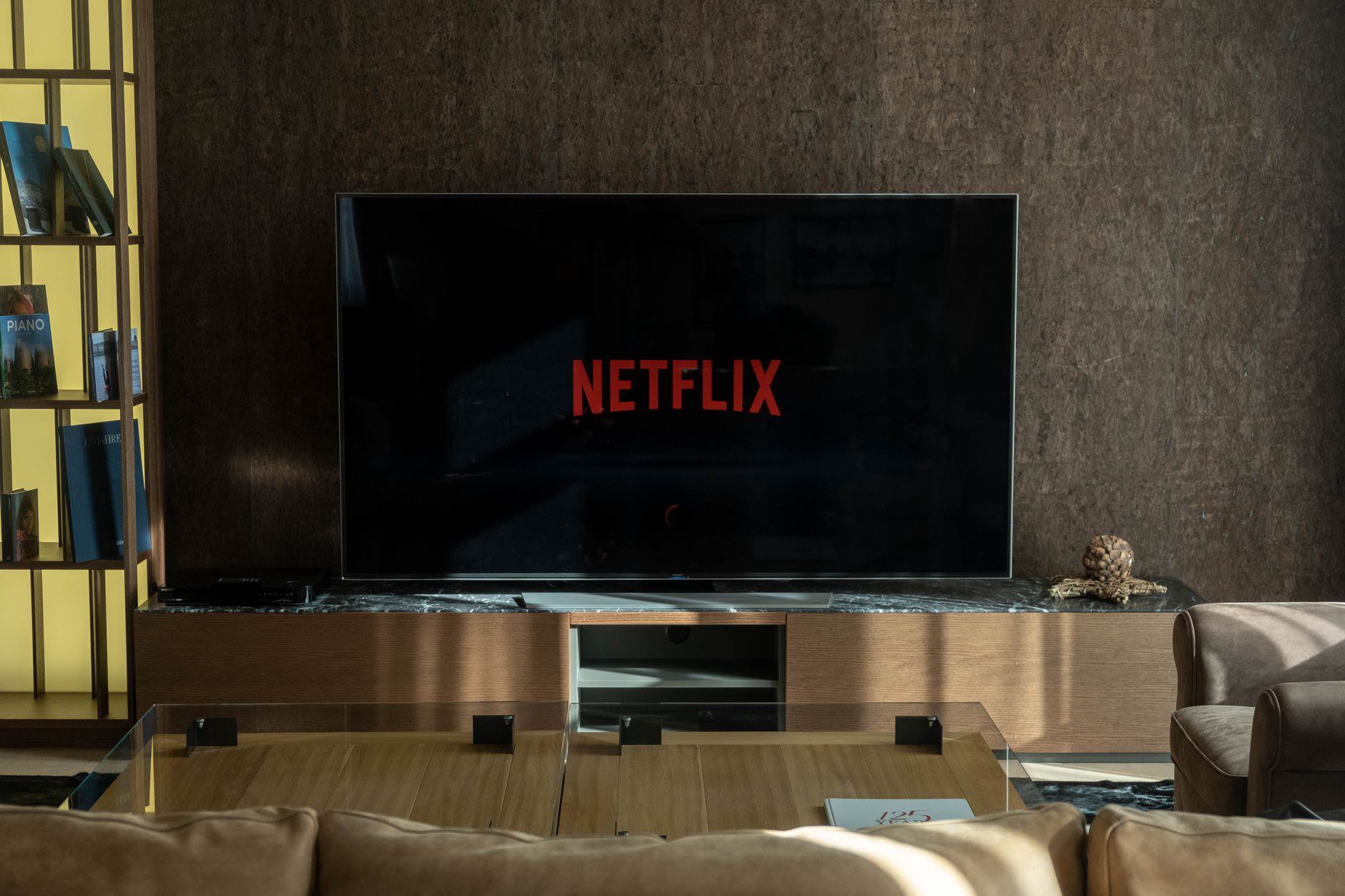
Weight loads of heavy audio amplifiers and power conditioners
Modern multichannel home theater receivers often weigh over forty pounds each. Stacking heavy equipment on thin particle board shelves causes noticeable center sagging. Standard shelf pins frequently bend or shear under sustained thermal operating heat. Sturdy steel brackets bolted into solid timber posts guarantee long-term structural stability. Investing in reinforced shelving prevents catastrophic collapses onto expensive home theater gear below.
You can reference our acoustic advice in our podcast studio setup guide to isolate mechanical vibrations effectively.
Heat dissipation and ventilation challenges in enclosed credenzas
Modern gaming consoles and tube amplifiers generate significant internal operating heat during use. Trapped hot air within unventilated cabinets dramatically degrades internal circuits over time. Installing silent motorized exhaust fans keeps internal temperatures at safe, stable operating levels. Perforated cabinet bases draw cool air upward through natural convective circulation. Well-designed rear access panels also simplify seasonal component upgrades and wiring maintenance.
Why Drawer Slides and Door Hinges Demand High Precision
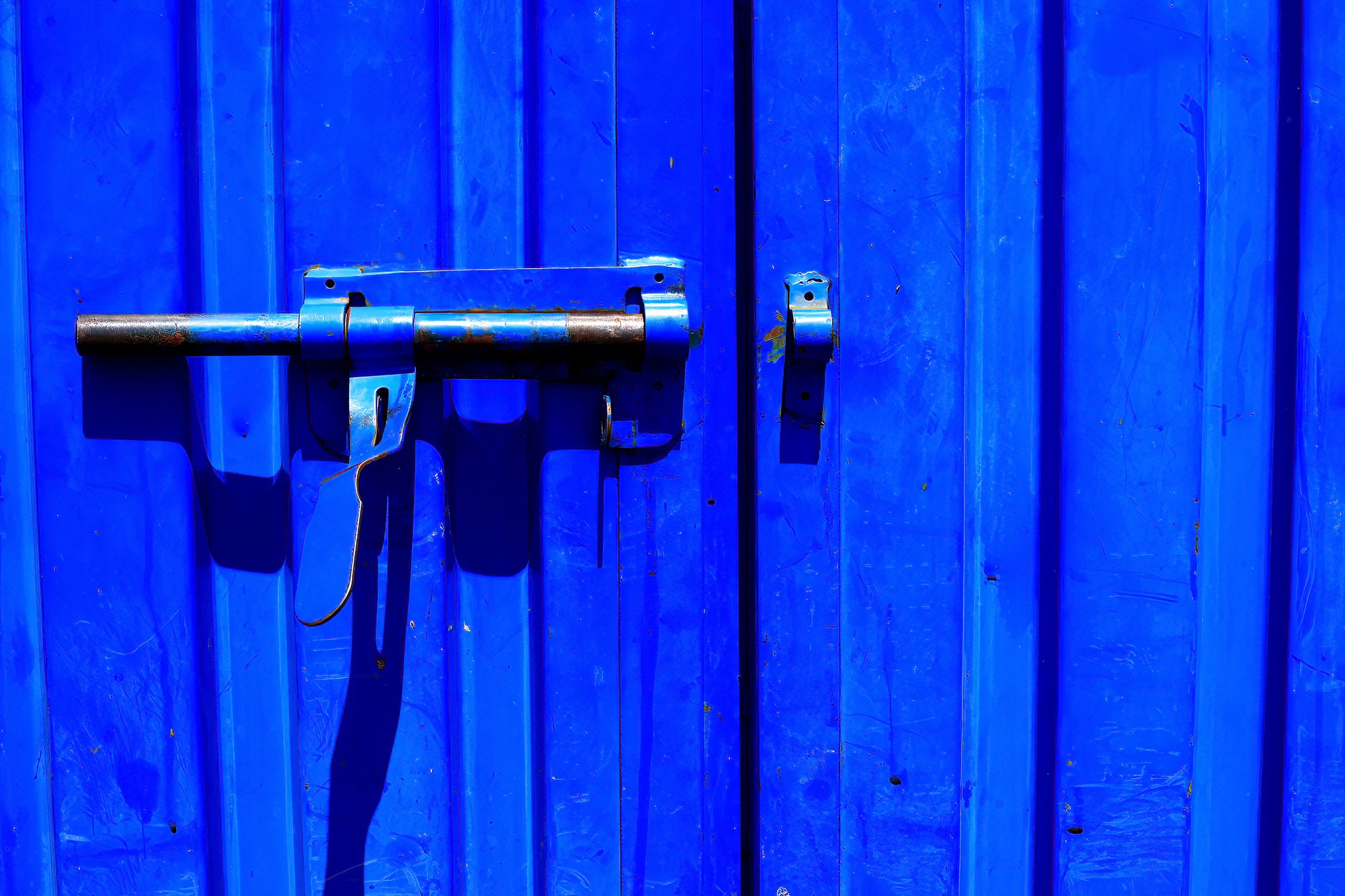
Vibration damping hinges prevent unwanted audio rattles
Subwoofers produce intense low-frequency sound waves that rattle loose metallic components. Low-grade cabinet hinges vibrate loudly during action movie bass drops. Heavy soft-close concealed hinges eliminate annoying rattles during cinematic viewing sessions. High-end hardware solutions from trusted architectural specialists like Hafele offer exceptional mechanical stability. These engineered hinges hold heavy wooden doors firmly aligned without sagging over years of daily opening.
Heavy-duty full-extension slides for media storage drawers
Physical disc collections and vintage controllers accumulate surprising total bulk weight quickly. Undermount drawer runners must support sixty pounds without binding or sticking along the tracks. Full-extension ball-bearing slides allow effortless reach into the deepest back corners of the credenza. Smooth gliding motion protects delicate optical discs from violent jarring stops. Heavy steel rails ensure drawers never jump their tracks when pulled out fully loaded.
Smart Cable Management and Rear Panel Access
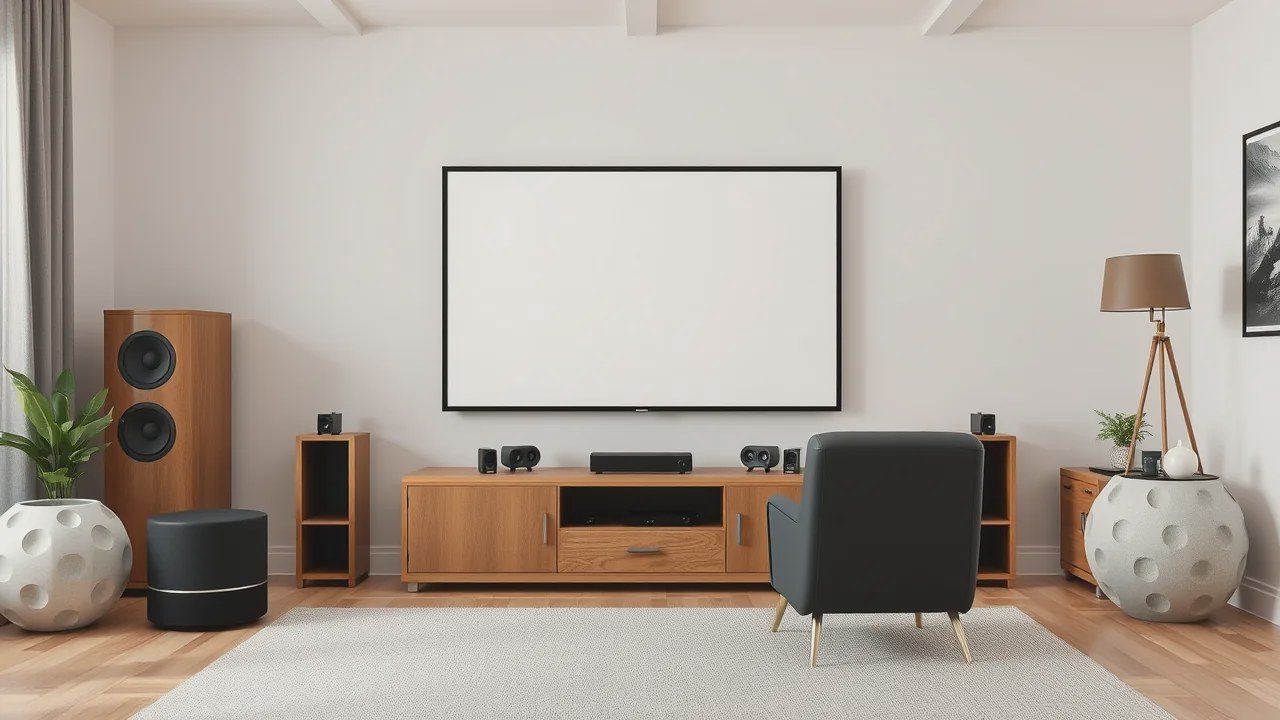
Integrated brush grommets and clean wire routing channels
A tangle of power cables and HDMI cords looks chaotic behind open shelving units. Brush grommets allow thick cables to pass through shelves without marring wood veneers. Dedicated hook-and-loop channels separate sensitive analog audio cables from noisy power lines. Organized cabling eliminates annoying electrical hums and simplifies troubleshooting. Clear labeling on each cord saves hours of frustration when rearranging your entertainment console.
Digital designers browsing the best free stock photo sites often note how clean aesthetic layouts require meticulous background planning.
Removable magnetic backboards for effortless maintenance
Crumpling behind an eighty-inch television console to swap audio wires is painful and awkward. Removable back panels secured with strong neodymium magnets save tremendous installation effort. You simply pop off the rear panel to access inputs directly in bright ambient room lighting. Once finished, the panel snaps flush into place, completely concealing all messy cords. Clean wire routing preserves airflow and keeps dust bunnies from gathering behind warm electronic components.
Photographers following strict commercial use image guidelines understand that every technical project demands thorough verification.
Selecting Materials for Maximum Acoustic Performance
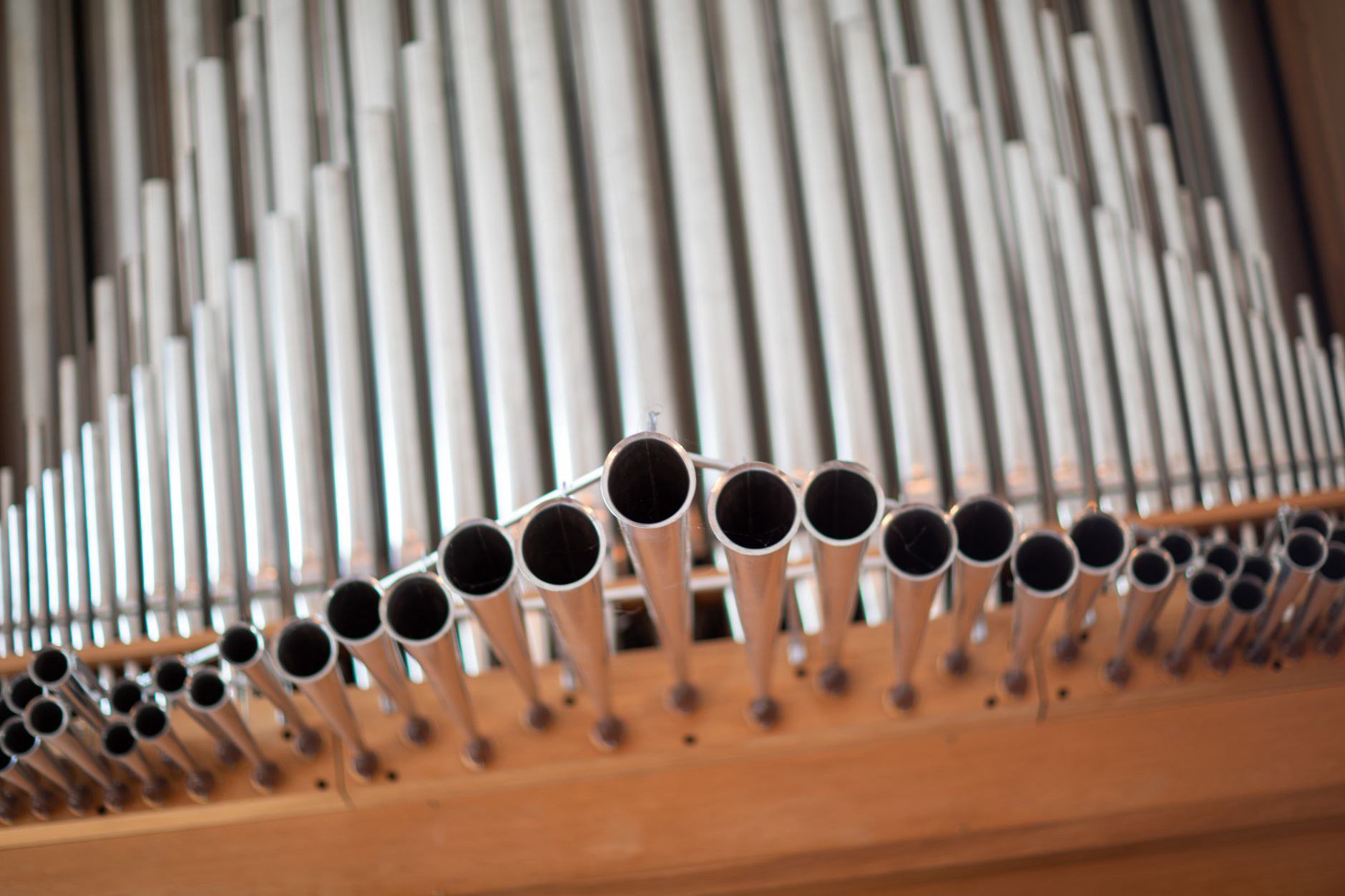
Dampening mechanical resonance with dense hardwood substrates
Hollow cabinet doors act like resonating soundboards when speakers blast loud soundtracks nearby. Dense medium-density fiberboard or solid walnut frames absorb stray acoustic reflections effectively. Decoupling speaker stands with silicone isolation pads prevents sound transfer to wooden subfloors. Your soundstage remains tight, punchy, and crystal clear at any volume level. Careful wood selection prevents the console from buzzing along with deep film audio tracks.
Proper digital documentation practices align closely with understanding Creative Commons licensing standards when compiling technical production guides.
Acoustically transparent cloth grills for hidden center speakers
Many media enthusiasts prefer keeping center channel speakers completely hidden away from sight. Solid wooden doors muffle high frequencies and destroy vocal dialogue clarity during dramatic scenes. Replacing wooden door inserts with open acoustic cloth preserves sound wave transmission cleanly. Dialogue stays crisp while maintaining a clean and minimalist living room aesthetic. The fabric protects delicate speaker cones from inquisitive toddlers and curious household pets.
Our collaborative media projects with digital media development at webeone.org frequently highlight the balance between form and function.
Key Decisions When Commissioning Custom Media Cabinetry
Measure component dimensions with generous breathing room
Always measure your deepest receiver and add three inches for rear plug clearance. HDMI cables require gentle bending radii to avoid damaging delicate internal copper strands. Allow two inches of open headroom above warm amplifiers for natural convective airflow. Thoughtful dimension planning prevents expensive cabinetry modifications later down the road. Double-checking measurements ensures your expensive amplifiers slide smoothly into place on delivery day.
Invest in professional-grade mounting anchors
Floating media consoles must support hundreds of pounds safely off the floor surface. Toggle bolts driven into drywall will inevitably fail under heavy dynamic component loads. Secure wall-hung credenzas directly into multiple vertical wall studs with structural lag screws. Proper anchoring ensures absolute peace of mind for curious children and playful pets. High-strength steel brackets keep heavy wall-mounted cabinets locked securely against the wall framing forever.
Frequently Asked Questions
How much weight can heavy-duty undermount drawer slides hold?
High-grade undermount slides typically support between seventy-five and one hundred pounds of evenly distributed weight.
Why are my cabinet doors rattling during loud movie scenes?
Loose hinge screws or missing soft rubber bumpers cause loose doors to vibrate sympathetically with subwoofer bass.
What is the ideal airflow clearance inside a home theater cabinet?
Maintain at least two inches of clear space above and around all active electronic components for adequate heat dissipation.