Commercial Use Free Images: Legal Guidelines and Rules



Few topics generate as much legal anxiety and operational confusion for content creators, agency designers, and small business owners as finding compliant visual assets. In an online environment where high-definition stock photography is downloadable with a single click, people frequently assume that zero cost equates to unrestricted freedom. However, sourcing commercial use free images requires a clear understanding of intellectual property laws, Creative Commons licenses, trademark boundaries, and model likeness rights.
Failing to verify license parameters can quickly turn an innocent marketing post into an expensive copyright infringement claim. This comprehensive guide clarifies what commercialization entails legally, which open licenses protect your business, and how to verify media provenance before launching public campaigns.
What ‘Commercial Use’ Actually Means in Practice

One of the most dangerous misconceptions is believing that commercial usage applies solely when you directly resell an image file as a poster or postcard. In copyright jurisprudence, commercial use encompasses any deployment that aids, promotes, or facilitates a for-profit endeavor, directly or indirectly.
Under this legal reality, inserting an image onto a corporate blog, landing page, paid e-book, social media promotional reel, or client pitch deck constitutes commercial utilization. Even if your website displays no banner ads, if its underlying purpose is generating leads or selling professional services, image use is classified as commercial rather than educational or personal fair use.
Understanding the strict line between journalistic reporting and brand promotion is vital. Reviewing our analysis on editorial versus commercial use distinctions highlights why photographs permissible in newspaper articles can trigger lawsuits when used on marketing banners.
Licenses That Safely Permit Commercial Applications
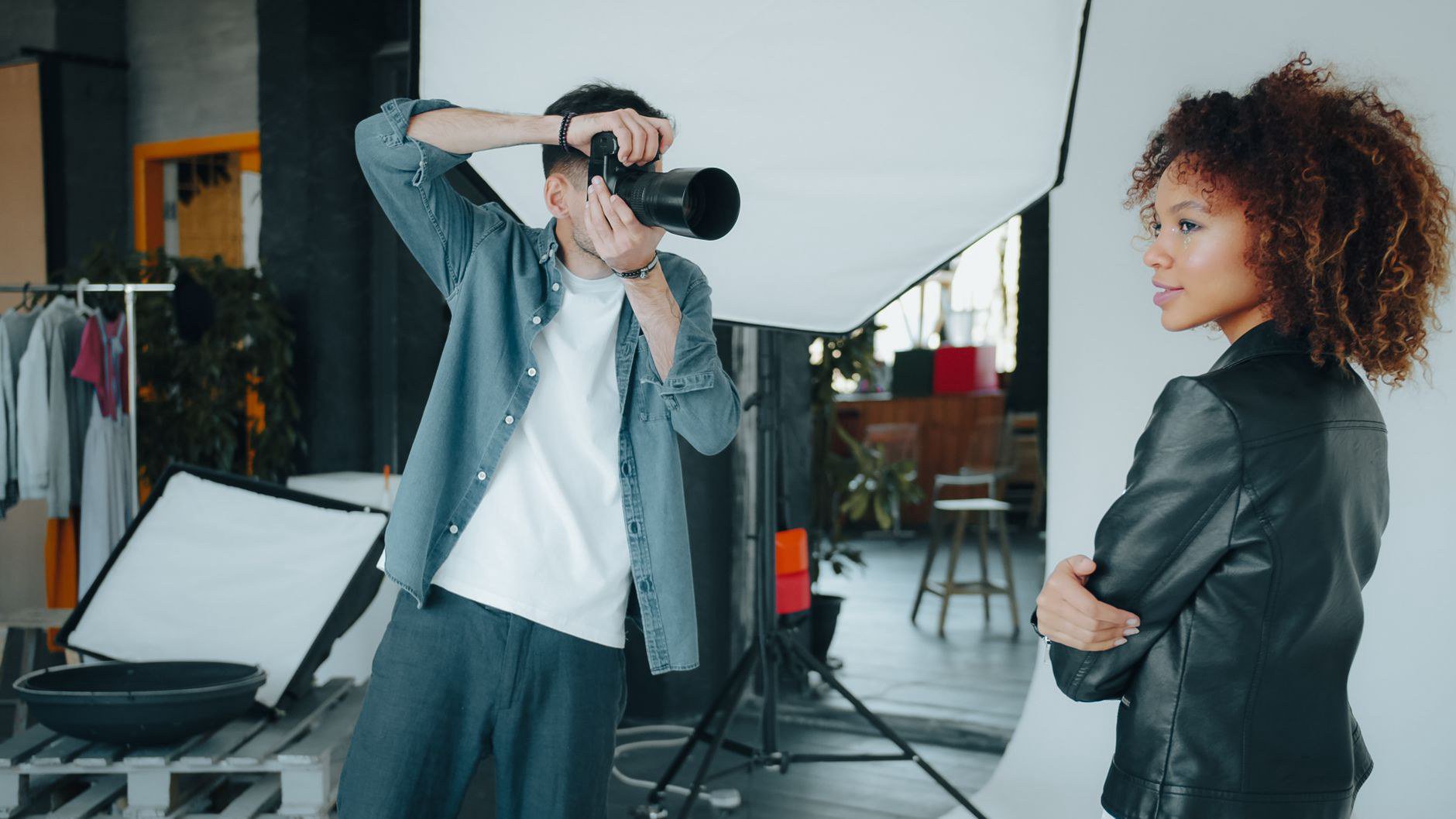
Fortunately, modern free media repositories make licensing transparent. When searching for commercial-safe imagery, you will encounter several reliable licensing standards:
- Creative Commons Zero (CC0): The creator completely waives copyright claims, placing the image into the public domain. You may modify, distribute, and monetize the visual without attribution.
- Creative Commons Attribution (CC BY): Permits commercial exploitation and remixing, provided you cite the creator clearly according to license parameters.
- Custom Platform Licenses: Proprietary licenses utilized by Unsplash, Pexels, and Pixabay granting irrevocable commercial rights with explicit carve-outs against selling unaltered copies.
Proper attribution remains mandatory under CC BY agreements. We provide step-by-step formatting in our guide on attributing images the right way, ensuring your citations comply with legal standards.
For a detailed breakdown of all six Creative Commons frameworks, our full explanation of Creative Commons details how non-commercial clauses restrict business operations.
Model Releases and Property Rights: Hidden Traps in Free Photos
A photographer may legally grant you copyright permission to use their photo, but they cannot grant rights they do not own. If a photograph depicts recognizable human faces, private architectural landmarks, or registered corporate trademarks, separate publicity and trademark rights come into play.
Without signed model releases, individuals photographed in public can sue for unauthorized commercial exploitation of their likeness. Similarly, featuring luxury branded vehicles or proprietary industrial designs in advertisements exposes your brand to trademark claims.
To audit these legal nuances thoroughly, explore our checklist on model and property releases for free stock photography before publishing customer-facing advertisements.
Legal Repercussions and Mitigation Strategies
Copyright holders and automated digital rights management crawlers actively scan the internet using reverse image algorithms to identify unauthorized commercial usage. When an infringement is detected, rights holders typically dispatch formal cease-and-desist notices demanding substantial retroactive licensing fees or statutory damages.
We analyze dispute processes and legal recourse in our guide to image copyright infringement, offering guidance on evaluating claim legitimacy and preventing escalation.
Leading web development agencies and digital branding studios like colorworldwebdesign.com establish strict asset auditing protocols, ensuring every client graphic originates from vetted commercial repositories with timestamped license documentation.
Standard Operating Procedure for Verifying Free Images
Establish a repeatable verification protocol across your creative team before integrating external imagery into production builds:
- Download Direct from Primary Sources: Avoid secondary aggregators or Pinterest boards where image provenance is frequently stripped or falsified.
- Archive License Snapshots: Take a timestamped screenshot of the image download page showing the active commercial license at the moment of acquisition.
- Audit Visual Backgrounds: Inspect images for background corporate logos, brand trademarks, or identifiable minors lacking model releases.
- Maintain Internal Asset Logs: Record source URLs, license types, and attribution links in a shared agency database for immediate retrieval during client audits.
Commercial Usage Across Social Media and Paid Ad Platforms
Licensing obligations do not stop at your primary website domain. The same commercial restrictions apply across all external marketing distribution channels. Embedding an image within a promotional Instagram post, TikTok video background, or LinkedIn company update constitutes commercial distribution.
Social media advertising platforms present heightened scrutiny. Because ad algorithms amplify promotional posts to tens of thousands of targeted viewers, copyright holders detect unauthorized imagery rapidly. Furthermore, many social media platform terms of service mandate that you hold complete commercial indemnification rights for all uploaded content. Using restricted personal-use imagery on business accounts violates both copyright law and platform terms.
Before launching cross-channel paid ad campaigns, always ensure that your license covers wide digital broadcast and promotional redistribution without impressions caps.
Conclusion: Building Creative Confidence Through Compliance
Using commercial use free images allows emerging businesses and creative agencies to craft stunning visual campaigns without exhausting marketing budgets. By respecting copyright licenses, confirming model releases, and maintaining meticulous asset records, you insulate your company against legal hazards while celebrating exceptional photography.
Verify your sources, archive your permissions, design with peace of mind, and create captivating marketing assets that propel your brand forward.